HbA1c ↔ Average Blood Glucose Calculator
Convert between HbA1c (%) and estimated average glucose (eAG) using the ADAG study formula. Get ADA category interpretation, reference bands, and exportable results.
Enter your details — results appear below after you calculate.
Conversion input
Lab HbA1c from the past ~3 months (4.0–15.0%)
“For me” saves to My Metrics when you’re signed in. “For other” only shows results.
How this HbA1c ↔ average blood glucose calculator works
This tool converts between HbA1c (%) and estimated average glucose (eAG) using the ADAG study formulas endorsed by the American Diabetes Association: eAG (mg/dL) = 28.7 × HbA1c − 46.7, and eAG (mmol/L) = 1.59 × HbA1c − 2.59.
Enter your lab HbA1c to see equivalent average glucose, or enter average glucose (mg/dL or mmol/L) to estimate HbA1c. Results include ADA category bands (normal, prediabetes, diabetes), a health score, reference table, and recommendations. Scroll below for detailed articles and FAQs.
HbA1c reflects glucose over roughly 3 months—not a single fasting reading. Anemia, pregnancy, and some blood conditions can affect accuracy. Use this calculator for education only; diagnosis and treatment decisions belong with your healthcare provider.
HbA1c ↔ Average Blood Glucose Calculator – Understand Your Glycemic Control
Hemoglobin A1c (HbA1c) measures how much glucose has attached to hemoglobin in red blood cells over their roughly 120-day lifespan, giving a weighted average of blood sugar over the past 2–3 months. Estimated average glucose (eAG) expresses that same information in familiar mg/dL or mmol/L units. Our calculator uses the ADAG study conversion (Nathan et al., Diabetes Care 2008)—the same formula endorsed by the American Diabetes Association—to translate between HbA1c and eAG in either direction, with ADA category bands and practical guidance for screening and monitoring.
What is HbA1c?
When blood glucose is elevated, a fraction of it binds to hemoglobin. Because red blood cells turn over every ~3 months, HbA1c reflects recent glycemic exposure—not a single fasting value. It is widely used to diagnose prediabetes and diabetes and to monitor treatment in people already diagnosed.
1Key Components of HbA1c Assessment
Laboratory Values
- HbA1c (%), from venous blood draw
- Optional: fasting glucose, random glucose
- Optional: oral glucose tolerance test (OGTT)
- Estimated average glucose (eAG) derived from HbA1c
Clinical Context
- Age, pregnancy, anemia, hemoglobin variants
- Kidney disease, liver disease, recent transfusion
- Diabetes medications and insulin use
- Symptoms: thirst, polyuria, fatigue, blurred vision
2How HbA1c and eAG Are Calculated
HbA1c → eAG (ADAG formula)
eAG (mg/dL) = 28.7 × HbA1c − 46.7
eAG (mmol/L) = 1.59 × HbA1c − 2.59
Derived from the A1c-Derived Average Glucose (ADAG) study involving more than 500 participants with type 1, type 2, and no diabetes. The ADA publishes eAG alongside HbA1c to help patients relate lab results to daily glucose readings.
eAG → HbA1c (reverse)
HbA1c (%) = (eAG mg/dL + 46.7) ÷ 28.7
When you enter average glucose, we convert mmol/L to mg/dL (÷ 18.0182) before applying the inverse formula.
ADA Diagnostic & Monitoring Thresholds
| Category | HbA1c | eAG (mg/dL) | eAG (mmol/L) |
|---|---|---|---|
| Normal | < 5.7% | < 117 | < 6.5 |
| Prediabetes | 5.7–6.4% | 117–140 | 6.5–7.8 |
| Diabetes | ≥ 6.5% | ≥ 140 | ≥ 7.8 |
Diagnosis requires confirmatory testing on a separate day unless hyperglycemic crisis is present. Individual treatment targets may differ—many adults aim for HbA1c < 7%, while stricter or more relaxed goals apply in pregnancy, older adults, or those with complications.
Factors That Can Affect HbA1c Accuracy
HbA1c is a powerful long-term marker, but it is not equally accurate for everyone. Understanding these factors helps you and your clinician interpret a single lab value and decide whether alternative tests are needed.
| Factor | Effect on HbA1c | Practical approach |
|---|---|---|
| Iron-deficiency anemia | May falsely elevate HbA1c | Treat anemia; consider fructosamine or CGM trends |
| Hemolytic anemia / blood loss | May falsely lower HbA1c | Delay interpretation; use alternative markers |
| Hemoglobin variants (e.g., sickle trait) | Assay interference possible | Lab-specific HbA1c method; consult hematology |
| Recent blood transfusion | Invalidates recent HbA1c | Wait ~3 months; use glucose-based tests meanwhile |
| Chronic kidney disease | Altered red cell turnover; uremia effects | Individualized targets; monitor with nephrology |
| Pregnancy | Not used for GDM diagnosis | OGTT per obstetric guidelines |
| Rapid glycemic change | HbA1c lags recent improvement or worsening | Pair with daily glucose or CGM for current status |
Hemoglobin & Blood Conditions
- Anemia, iron deficiency, B12/folate deficiency
- Hemoglobinopathies (e.g., sickle cell trait)
- Recent blood transfusion or significant blood loss
- Chronic kidney disease altering red cell turnover
Life Stage & Medications
- Pregnancy (use OGTT, not HbA1c for diagnosis)
- Glucose-lowering drugs, steroids, some antipsychotics
- Recent improvement or worsening of control
- Ethnicity-specific reference nuances in some guidelines
What is Estimated Average Glucose (eAG)?
Estimated average glucose (eAG) translates your HbA1c percentage into the same mg/dL or mmol/L units you may see on a home glucose meter or continuous glucose monitor (CGM). It is not a measured average from daily fingersticks—it is a calculated equivalent based on the ADAG regression. The ADA adopted eAG reporting so patients can relate a single lab number (HbA1c) to familiar glucose values and discuss targets with their care team.
Remember: eAG reflects roughly 2–3 months of exposure, while a fasting glucose reading reflects one moment. Post-meal spikes, overnight lows, and variability all influence HbA1c through weighted integration over red blood cell lifespan.
Benefits of Knowing Your HbA1c and eAG
- Screen for prediabetes and diabetes – HbA1c is a standard diagnostic test that does not require fasting.
- Monitor long-term control – Track whether nutrition, activity, and medications are working over months—not just today.
- Translate lab language – eAG helps you connect a percentage result to daily glucose numbers you already understand.
- Guide treatment decisions – Clinicians adjust therapy when HbA1c stays above individualized targets.
- Assess complication risk – Sustained elevation correlates with higher risk of kidney, eye, nerve, and cardiovascular complications when diabetes is present.
- Motivate sustainable change – Even a 0.5% reduction can meaningfully lower average glucose and complication risk in many people with diabetes.
HbA1c vs Other Glucose Tests
| Test | What it shows | Fasting needed? | Best use |
|---|---|---|---|
| HbA1c | Average glucose ~2–3 months | No | Diagnosis, monitoring, eAG conversion |
| Fasting plasma glucose | Blood sugar after 8+ hours fasting | Yes | First-line screening; widely available |
| Oral glucose tolerance test (OGTT) | Response before and 2 h after glucose drink | Yes | Gestational diabetes; uncertain fasting results |
| Random plasma glucose | Glucose at any time of day | No | Symptoms present; confirm with repeat testing |
| Self-monitoring / CGM | Daily patterns, highs, lows, variability | Varies | Dose adjustment, meal timing, trend spotting |
Understanding Your HbA1c Results
HbA1c < 5.7%
Below the ADA prediabetes threshold. eAG is typically under 117 mg/dL (6.5 mmol/L). Maintain balanced nutrition, regular activity, and periodic screening if you have family history, central adiposity, or other metabolic risk factors.
HbA1c 5.7 – 6.4%
Prediabetes range. eAG roughly 117–140 mg/dL (6.5–7.8 mmol/L). Lifestyle intervention can delay or prevent type 2 diabetes in many people. Discuss confirmatory testing and a follow-up plan with your clinician.
HbA1c ≥ 6.5%
Meets ADA diabetes diagnostic threshold when confirmed on repeat testing. eAG is typically ≥140 mg/dL (7.8 mmol/L). Prompt medical evaluation is recommended for diagnosis, treatment, and complication screening—not self-management from an online tool alone.
Common Treatment Targets (People With Diabetes)
Targets are individualized. The table below summarizes commonly cited adult goals—your clinician may recommend stricter or more relaxed targets based on age, hypoglycemia risk, pregnancy, or complications.
| Goal type | HbA1c | eAG (mg/dL) | Notes |
|---|---|---|---|
| General adult target | < 7.0% | < 154 | Often cited; balance benefit vs hypoglycemia |
| Stricter (selected adults) | < 6.5% | < 140 | If achievable without significant hypoglycemia |
| Relaxed (older / complex illness) | < 8.0% | < 183 | Avoid hypoglycemia; quality of life prioritized |
How to Use This HbA1c Calculator
- Choose input mode – Enter your lab HbA1c (%), or switch to average glucose if you want to estimate HbA1c from eAG.
- Select glucose units – When entering average glucose, pick mg/dL or mmol/L exactly as on your report or device.
- Enter values accurately – Use the number printed on your lab report (typically one decimal for HbA1c).
- Calculate – Review HbA1c, eAG in both units, category, health score, and reference table.
- Compare trends – Save or export results and recheck after lifestyle or treatment changes (usually every 3–6 months).
- Consult your clinician – Discuss interpretation, confirmatory testing, and personalized targets—especially if results fall in prediabetes or diabetes ranges.
Worked Conversion Examples
| Scenario | Input | Result | Category |
|---|---|---|---|
| Routine checkup | HbA1c 5.4% | eAG ≈ 108 mg/dL (6.0 mmol/L) | Normal |
| Borderline screening | HbA1c 6.0% | eAG ≈ 126 mg/dL (7.0 mmol/L) | Prediabetes |
| Reverse entry | eAG 154 mg/dL | HbA1c ≈ 7.0% | Above many treatment targets |
| mmol/L entry | eAG 8.5 mmol/L | HbA1c ≈ 7.0% (≈ 154 mg/dL) | Monitor with care team |
Strategies to Improve HbA1c Over Time
Immediate Actions (This Week)
- Log your current HbA1c and eAG for baseline comparison
- Remove sugary drinks and limit refined snacks
- Walk 10–15 minutes after main meals
- Prioritize 7–9 hours of sleep on a regular schedule
- Include protein and fiber at breakfast
- Book a check-up if HbA1c is ≥ 5.7% or you have symptoms
Long-Term Habits (3–6 Months+)
- Resistance training 2–3 times per week for insulin sensitivity
- Mediterranean-style or high-fiber meal patterns
- 5–10% body weight loss if overweight (clinician-guided)
- Recheck HbA1c every 3–6 months when managing diabetes
- Monitor blood pressure, lipids, and kidney health as advised
- Work with a dietitian or diabetes educator if referred
Common Mistakes When Using HbA1c or eAG
1. Confusing eAG with fasting glucose
A fasting glucose of 95 mg/dL does not mean your HbA1c should convert to 95 mg/dL eAG. eAG integrates highs and lows across months—frequent post-meal spikes can raise HbA1c even when fasting values look normal.
2. Ignoring conditions that skew HbA1c
Anemia, hemoglobin variants, recent transfusion, and kidney disease can make HbA1c unreliable. Tell your clinician about blood disorders before interpreting a single result.
3. Using one result to diagnose or change treatment
Diabetes diagnosis requires clinical criteria and often repeat confirmatory testing. Never start, stop, or adjust medications based solely on an online converter.
4. Mixing glucose units
Enter average glucose in the same unit shown on your lab report or device (mg/dL vs mmol/L). Mixing units produces incorrect HbA1c estimates.
The Science Behind HbA1c and ADAG
Non-enzymatic glycation links glucose to hemoglobin proportionally to ambient blood sugar over the life of each red blood cell. Because older cells have been exposed longer, HbA1c is a weighted average biased toward recent weeks. The ADAG study validated a linear relationship between HbA1c and mean glucose across type 1, type 2, and non-diabetic participants—forming the basis for ADA eAG reporting.
When to Recheck HbA1c
- Every 3 months when diabetes therapy is changing
- Every 6 months when control is stable
- Annually for prediabetes or high-risk screening
- After major illness, transfusion, or new anemia diagnosis
Symptoms Worth Discussing With a Doctor
- Increased thirst or urination
- Unexplained weight loss or fatigue
- Blurred vision or slow-healing cuts
- Recurrent infections (skin, urinary, yeast)
Frequently Asked Questions (FAQs)
Related Calculators
You might also be interested in these related health and wellness calculators:
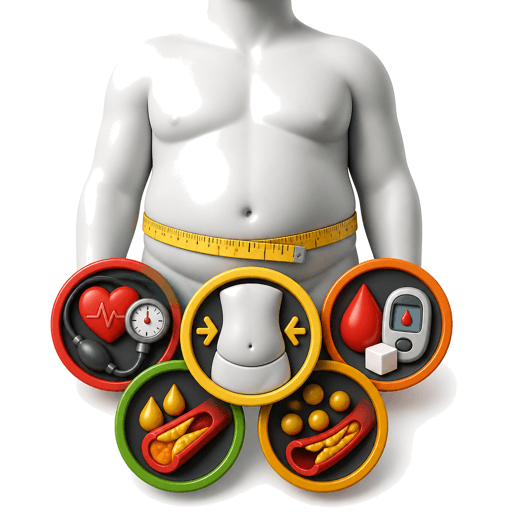
Metabolic Syndrome Risk Calculator
Screen metabolic syndrome with all 5 harmonized criteria—waist, triglycerides, HDL, blood pressure and fasting glucose. Asian waist cutoffs, diet tips, exercise guidance and lab recommendations.
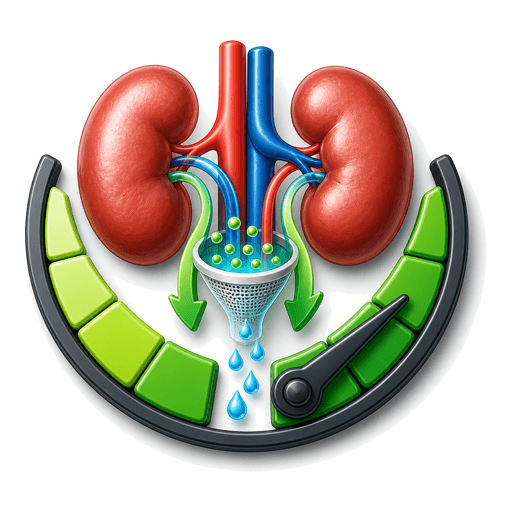
Kidney Function (eGFR) Calculator
Estimate your kidney function by calculating your glomerular filtration rate (eGFR) using serum creatinine, age, sex. Detect early signs of chronic kidney disease and monitor renal health.
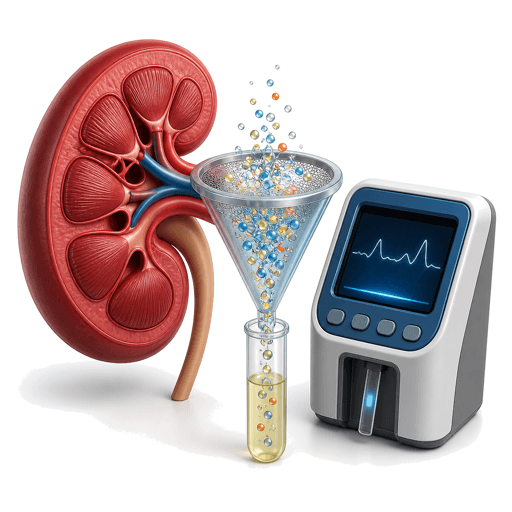
Creatinine Clearance (Cockcroft-Gault) Calculator
Estimate creatinine clearance (CrCl) using the Cockcroft-Gault formula with age, sex, body weight, and serum creatinine. Medication dosing context, clearance categories, and PDF export.
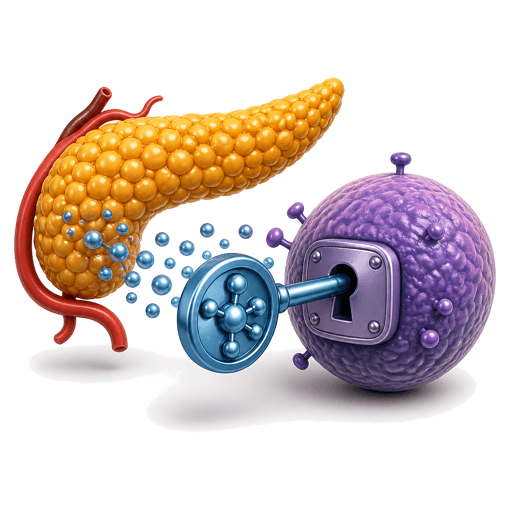
Insulin Resistance (HOMA-IR) Calculator
Calculate HOMA-IR from fasting glucose and fasting insulin to estimate insulin resistance. Get category, HOMA-β, and educational guidance for metabolic health.

Type 2 Diabetes Risk Assessment Calculator
Assess type 2 diabetes risk using the Indian Diabetes Risk Score (IDRS). Enter age, waist, family history, activity, and clinical history. Low to Very High risk with PDF export.
Glycemic Load Calculator
Calculate meal glycemic load from GI and carb portions—compare to diabetes & weight-loss targets, 30+ Indian food presets, lower-GL swaps, pairing tips, and PDF export.
Blood Pressure Interpreter & Risk Calculator
Interpret blood pressure with AHA/ACC 2017 categories, color-coded gauge, overall health risk (Low/Moderate/High/Urgent), lifestyle recommendations, and emergency alert for crisis readings.
Cholesterol Level Interpreter & Heart Risk Calculator
Interpret cholesterol with AHA/ACC lipid thresholds, color-coded marker cards, LDL:HDL and Total:HDL ratios, cardiovascular risk classification, and personalized diet & exercise recommendations.
Calculator Categories
Explore more free tools by health topic. Your calculator's category is highlighted below.
Heart & Metabolic Health
23 calculators
Browse categoryNutrition & Metabolism
31 calculators
Browse categoryBody Composition
16 calculators
Browse categoryFitness & Cardio
13 calculators
Browse categorySleep & Circadian Health
6 calculators
Browse categoryAging & Longevity
6 calculators
Browse categoryMental Wellbeing
4 calculators
Browse categoryWomen's Health
10 calculators
Browse categoryEnvironment & Lifestyle
6 calculators
Browse category