Visceral Fat Risk Calculator
Estimate visceral fat risk from anthropometric and lifestyle indicators. Review risk category, explanatory insights, and personalized guidance with export support.
Enter your details — results appear below after you calculate.
Body measurements
Measure at belly button level, standing, after normal exhale
Lifestyle factors
“For me” saves to My Metrics when you’re signed in. “For other” only shows results.
How this visceral fat risk calculator works
This tool screens for abdominal (visceral) fat risk using your waist measurement at the navel, height, weight, age, sex, and lifestyle habits. It calculates waist-to-height ratio (WHtR)—waist ÷ height—and compares your waist to established metabolic risk thresholds.
Results include BMI, WHtR category, waist risk band, a composite health score, visceral risk index, contributing factors, and personalized recommendations. WHtR below 0.5 is often cited as a general goal; values at or above 0.5 suggest increased central adiposity worth addressing with your clinician.
This is a screening estimate, not a CT or MRI measurement of visceral fat. For diagnosis, rely on medical imaging, labs (glucose, lipids, liver enzymes), and professional assessment.
Visceral Fat Risk Calculator – Understand Abdominal Fat & Metabolic Health
Fat stored around your organs—visceral (abdominal) fat—is one of the strongest lifestyle-related predictors of diabetes, heart disease, and fatty liver. Unlike fat under the skin, visceral fat actively affects hormones and inflammation. Our Visceral Fat Risk Calculator uses your waist measurement, height, weight, age, sex, and daily habits to compute waist-to-height ratio (WHtR), BMI, a composite health score, and practical educational guidance—the same screening logic used in many public health and metabolic risk programs—so you can discuss meaningful next steps with your healthcare provider.
What is Visceral Fat?
Subcutaneous fat lies beneath the skin and is relatively inert from a metabolic standpoint. Visceral fat sits inside the abdominal cavity, padding organs. When visceral fat increases, the body often shows higher insulin resistance, blood pressure, and triglycerides—even before BMI enters the obese range. Measuring your waist and relating it to your height (WHtR) is a simple, evidence-backed way to screen for this pattern without expensive imaging.
1Key Inputs This Calculator Uses
Body Measurements
- Waist at navel (cm or inches)
- Height (cm or feet + inches)
- Weight (kg or lb)
- Age and biological sex (for waist cutoffs)
Lifestyle Modifiers
- Physical activity level
- Average sleep hours per night
- Smoking status (never / former / current)
- Alcohol use and ultra-processed food frequency
2Formulas & How We Calculate Your Results
BMI
BMI = weight (kg) ÷ [height (m)]²
BMI contextualizes total body mass. It does not distinguish muscle from fat, so we never use BMI alone—we pair it with waist and WHtR.
Waist-to-Height Ratio (WHtR)
WHtR = waist circumference ÷ height
Use the same unit for both (e.g., cm ÷ cm or in ÷ in). Example: waist 90 cm and height 180 cm → WHtR = 90 ÷ 180 = 0.50.
- < 0.40 — low central adiposity
- 0.40 – 0.49 — moderate
- 0.50 – 0.59 — increased visceral risk
- ≥ 0.60 — high visceral fat risk
Waist Circumference Bands (cm)
Based on commonly cited metabolic risk thresholds (similar to NICE / IDF guidance for Europid populations):
- Men: healthy < 94 cm; increased 94–101 cm; high ≥ 102 cm
- Women: healthy < 80 cm; increased 80–87 cm; high ≥ 88 cm
Composite Health Score (0–100)
We start at 100 and subtract points (capped at 0 minimum):
- WHtR ≥ 0.60: −32; ≥ 0.50: −22; ≥ 0.40: −10
- High waist band: −25; increased waist: −12
- BMI ≥ 35: −18; ≥ 30: −14; ≥ 25: −8; < 18.5: −5
- Age > 40: up to −12 (about −1 per 3 years over 40)
- Lifestyle penalties: sedentary activity, short sleep, smoking, alcohol, frequent processed foods (combined)
Visceral risk index = 100 − health score
Risk Categories
- Health score ≥ 80 → Low visceral fat risk
- 65 – 79 → Moderate
- 50 – 64 → High
- Below 50 → Very high
Factors That Increase Visceral Fat Risk
WHtR and waist reflect biology, behavior, and environment. Understanding these factors helps you interpret results and build a sustainable plan with your care team.
| Factor | Effect on Visceral Fat | Practical Approaches |
|---|---|---|
| Excess calories & refined carbs | Promotes liver fat and abdominal storage | Whole foods, fiber, portion awareness; limit sugary drinks |
| Sedentary lifestyle | Reduces fat oxidation; favors central gain | 150+ min/week activity; resistance training 2–3×/week |
| Poor sleep (<7 h) | Alters cortisol, appetite hormones | Consistent schedule; limit late screens |
| Chronic stress | Raises cortisol; linked to central adiposity | Mindfulness, counseling, manageable workload |
| Alcohol & smoking | Extra calories; metabolic stress | Reduce intake; seek cessation support if needed |
| Genetics & age | Predisposition; waist often rises after 40 | Earlier screening; proactive lifestyle measures |
Benefits of Knowing Your Visceral Fat Risk
- Earlier awareness – Catch central obesity before BMI alone flags a problem.
- Track lifestyle impact – Recheck waist monthly; WHtR often improves with consistent habits.
- Guide medical discussions – Bring WHtR, waist, and score to appointments about metabolic syndrome or prediabetes.
- Holistic prevention – Pair with blood pressure, fasting glucose, HbA1c, lipids, and our HOMA-IR or body fat % calculators.
- Motivation – A single waist number is easy to monitor between full lab panels.
How to Use This Visceral Fat Risk Calculator
- Measure waist correctly – At the navel, standing, after normal exhale; tape parallel to floor.
- Enter height and weight – Choose metric or imperial; height in feet/inches if imperial.
- Answer lifestyle questions honestly – They adjust the composite score, not WHtR itself.
- Calculate – Review WHtR, BMI, waist band, health score, visceral risk index, contributing factors, and recommendations.
- Export or share – Save a PDF or share results for your records.
- Recheck every 4–8 weeks – When actively losing weight or improving fitness; consult your clinician for medical targets.
Strategies to Reduce Visceral Fat
Immediate Actions (This Week)
- Remove sugary drinks; add vegetables to each meal
- Walk 10–15 minutes after main meals
- Measure and log waist at the same time of day
- Prioritize 7–9 hours of sleep
- Limit late-night snacking and alcohol
- Book labs (glucose, lipids) if risk is moderate or high
Long-Term Habits (1–3 Months+)
- Resistance training 2–3 times per week for muscle mass
- Target 5–10% weight loss if overweight (visceral fat drops first)
- Mediterranean-style or high-fiber meal patterns
- Stress reduction you can maintain
- Annual metabolic labs if at elevated risk
- Dietitian or clinician support when referred
Understanding Your Results
Low risk
Health score ≥ 80. WHtR often below 0.5 and waist within healthy bands. Maintain activity, sleep, and periodic waist checks.
Moderate
Score 65–79. May reflect WHtR near 0.5 or lifestyle penalties. Optimize nutrition, movement, and sleep; consider metabolic labs.
High
Score 50–64. Elevated WHtR and/or waist likely. Discuss screening with your clinician and adopt structured lifestyle changes.
Very high
Score below 50. Multiple flags present. Prompt medical review for metabolic syndrome, diabetes, and cardiovascular risk recommended.
WHtR & Waist Reference (Educational)
| Measure | Lower risk | Higher risk |
|---|---|---|
| WHtR (all) | < 0.50 | ≥ 0.50 (especially ≥ 0.60) |
| Waist men | < 94 cm | ≥ 102 cm |
| Waist women | < 80 cm | ≥ 88 cm |
| BMI (context) | 18.5 – 24.9 | ≥ 30 obese |
Common Measurement Mistakes
1. Measuring at the wrong site
This calculator uses navel-level waist for WHtR screening. Measuring at the narrowest point (used in some body fat formulas) will change your number—stay consistent with one method.
2. Pulling the tape too tight or sucking in
The tape should be snug, not compressing skin. Breathe out normally; do not hold your stomach in—it underestimates true central fat risk.
3. Mixing units on WHtR
WHtR requires waist and height in the same unit. Our calculator converts internally for BMI, but always enter waist and height in your selected system consistently.
4. Treating this as a diagnosis
WHtR screens for central adiposity risk; only imaging or clinical assessment confirms visceral fat volume. Never delay medical care based solely on an online score.
The Science Behind WHtR & Waist Screening
Large cohort studies show waist-to-height ratio predicts cardiometabolic risk at least as well as BMI alone in many populations. The “0.5 rule” (waist less than half height) is promoted by organizations such as the UK National Institute for Health and Care Excellence (NICE) for adult obesity screening. Waist cutoffs for men and women reflect guidelines used in metabolic syndrome definitions—though some ethnic groups use lower thresholds; your clinician may apply population-specific criteria.
Visceral vs Subcutaneous Fat
- Visceral: organ fat, high metabolic activity
- Subcutaneous: under skin, less inflammatory
- Central gain often precedes type 2 diabetes risk
- Imaging (MRI/CT) is gold standard; WHtR is a practical proxy
Metabolic Syndrome Link
- Elevated waist (population-specific)
- High triglycerides, low HDL
- High blood pressure
- Impaired fasting glucose
Who Should Screen Waist / WHtR
- Family history of diabetes or heart disease
- Normal BMI but growing waistline
- Prediabetes, PCOS, or fatty liver
- Weight gain mainly around the abdomen
Labs to Discuss With Your Clinician
- Fasting glucose, HbA1c, fasting insulin (HOMA-IR)
- Fasting lipid panel
- Liver enzymes (NAFLD screening)
- Blood pressure at rest
Nutrition & Activity by Risk Level
Maintenance (low risk)
- Half plate vegetables; adequate protein each meal
- 150 minutes moderate cardio weekly
- Recheck waist every 2–3 months
- Limit ultra-processed foods and alcohol
Active reduction (moderate–very high)
- Emphasize legumes, vegetables, nuts, whole grains
- Resistance training for muscle and glucose uptake
- Time carbs around activity when possible
- Medical nutrition therapy if recommended
Frequently Asked Questions (FAQs)
Related Calculators
You might also be interested in these related health and wellness calculators:

Metabolic Age Calculator
Calculate your metabolic age based on your BMR, body composition, and activity level. A lower metabolic age reflects better health and fitness.

Fatty Liver Risk Calculator
Assess NAFLD/MASLD fatty liver risk from BMI, waist, diabetes, diet, alcohol and lifestyle. Get weight-loss targets, diet tips, exercise guidance, and liver test recommendations.
Metabolic Syndrome Risk Calculator
Screen metabolic syndrome with all 5 harmonized criteria—waist, triglycerides, HDL, blood pressure and fasting glucose. Asian waist cutoffs, diet tips, exercise guidance and lab recommendations.
Body Fat Percentage Calculator
Calculate your body fat to understand your fitness level and monitor changes over time more accurately than just weighing yourself.

Type 2 Diabetes Risk Assessment Calculator
Assess type 2 diabetes risk using the Indian Diabetes Risk Score (IDRS). Enter age, waist, family history, activity, and clinical history. Low to Very High risk with PDF export.
Body Mass Index (BMI) Calculator
Calculate your Body Mass Index (BMI) from height and weight in metric or imperial units. Get WHO categories, healthy weight range, BMI Prime, and PDF export.
Waist-to-Height Ratio (WHtR) Calculator
Calculate waist-to-height ratio (WHtR) from waist and height. Half-height rule, target waist at 0.5, central fat risk bands—often a stronger screen than BMI alone.
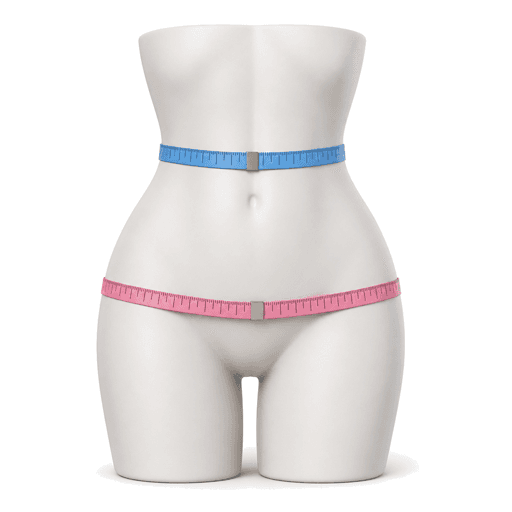
Waist-to-Hip Ratio (WHR) Health Risk Calculator
Calculate waist-to-hip ratio (WHR) from waist and hip measurements. Apple vs pear body shape, WHO health risk levels, and cardiovascular risk interpretation.
Calculator Categories
Explore more free tools by health topic. Your calculator's category is highlighted below.
Body Composition
16 calculators
Browse categoryNutrition & Metabolism
31 calculators
Browse categoryFitness & Cardio
13 calculators
Browse categorySleep & Circadian Health
6 calculators
Browse categoryAging & Longevity
6 calculators
Browse categoryHeart & Metabolic Health
23 calculators
Browse categoryMental Wellbeing
4 calculators
Browse categoryWomen's Health
10 calculators
Browse categoryEnvironment & Lifestyle
6 calculators
Browse category