GLP-1 Protein & Muscle Preservation Calculator
Estimate your daily protein target and muscle preservation risk while on GLP-1 medications (semaglutide, tirzepatide, liraglutide). Get per-meal protein splits, leucine guidance, resistance-training recommendations, and PDF export—built for Nutrition & Metabolism planning during GLP-1 weight loss.
Enter your details — results appear below after you calculate.
Units & gender
Age, height & weight
GLP-1 & nutrition
“For me” saves to My Metrics when you’re signed in. “For other” only shows results.
How this GLP-1 Protein & Muscle Preservation Calculator works
Enter age, sex, height, and weight, then your GLP-1 phase (active weight loss, maintenance on GLP-1, or maintenance after stopping), strength training frequency, and meals per day. We apply GLP-1 muscle-preservation protein ranges of 1.4–2.2 g/kg (with adjusted weight above 100 kg), calculate a muscle preservation risk score, and split targets across meals with leucine guidance.
GLP-1 medications reduce appetite—protein grams must be tracked deliberately, not guessed from hunger. Results include interpretation, strength-training tips, and PDF export for your dietitian or clinician.
For broader protein goals beyond GLP-1, try our Protein Target Calculator, Calorie Deficit, or Sarcopenia Risk calculators.
GLP-1 Protein & Muscle Preservation Calculator
GLP-1 receptor agonists—including semaglutide (Ozempic, Wegovy), tirzepatide (Mounjaro, Zepbound), and liraglutide (Saxenda, Victoza)—have transformed medical weight management. They reduce appetite and support meaningful fat loss, but they also make it easier to under-eat protein and lose lean muscle alongside fat. Our GLP-1 Protein & Muscle Preservation Calculator estimates your daily protein target, per-meal distribution, leucine guidance, and an educational muscle-loss risk score—so you can plan nutrition and resistance training with your care team.
Why Protein Matters on GLP-1 Therapy
Muscle is metabolically active tissue. Losing it during rapid weight loss can lower resting energy expenditure, reduce functional strength, and affect long-term weight maintenance. Clinical and sports-nutrition guidance for GLP-1 users often means you need more protein during active loss than in maintenance—typically 1.2–1.6 g/kg while losing weight and roughly 0.8–1.0 g/kg during maintenance (higher if age 65+)—paired with resistance training 2–3× per week when medically cleared.
1What You Enter
Body & demographics
- Age, sex, height, and body weight (metric or imperial)
GLP-1 & nutrition
- GLP-1 phase (active loss, maintenance on GLP-1, or after stopping)
- Strength training (none, 1–2×/week, 3+×/week)
- Meals per day (3 or 4) for protein distribution
2Formulas & Logic
Daily protein (grams)
Daily protein (g) = reference weight (kg) × g/kg multiplier
Active loss: 1.2–1.6 g/kg (target 1.4 without strength training, 1.6 with). Maintenance on or after GLP-1: 0.8–1.0 g/kg (target 0.9) for adults under 65; 1.0–1.2 g/kg (target 1.1) at age 65+. If BMI ≥ 30, reference weight = ideal weight at BMI 25 + 25% of excess above ideal—so protein grams are not overestimated from high body fat. Daily targets are capped at 2 g/kg of reference weight.
Muscle preservation risk score
Educational 0–100 score from GLP-1 phase, resistance training frequency, and age. Not a medical diagnosis—use it to prioritize protein tracking and strength work.
Per-meal leucine
~2.5 g leucine per ~25 g high-quality protein supports muscle protein synthesis—especially important for adults 65+ and during GLP-1 weight loss.
GLP-1 protein reference (g/kg/day)
| Situation | Typical range |
|---|---|
| Active weight loss on GLP-1 | 1.2–1.6 g/kg (target 1.4–1.6) |
| Maintenance on GLP-1 | 0.8–1.0 g/kg (target 0.9) |
| Maintenance after stopping | 0.8–1.0 g/kg (target 0.9) |
| Age 65+ (any phase) | 1.0–1.2 g/kg (target 1.1); active loss target 1.6 |
3What Your Results Include
- Daily protein target (grams) and min–max g/kg range for GLP-1 therapy
- Muscle preservation risk score (0–100) with visual risk bar
- Per-meal protein distribution with leucine estimates (3 or 4 meals)
- Lean-mass loss context based on GLP-1 phase and training
- Resistance-training recommendation tailored to your frequency
- Screening insights, interpretation, health considerations, and action steps
- Adjusted-weight note when BMI is 30 or higher
- PDF export and share for clinician or dietitian visits
GLP-1 Therapy & Lean Mass
Semaglutide (Ozempic, Wegovy), tirzepatide (Mounjaro, Zepbound), and liraglutide (Saxenda, Victoza) reduce appetite and often total calories. Without adequate protein and resistance training, weight lost can include a meaningful share of muscle—not only fat. Clinical practice increasingly emphasizes protein tracking, strength exercise, and sometimes body-composition monitoring (DEXA, bioimpedance, grip strength)—not scale weight alone.
| Risk | Why it happens on GLP-1 | What helps |
|---|---|---|
| Muscle loss | Low calories + low protein + no resistance training | 1.2–1.6 g/kg in active loss; 0.8–1.0 g/kg in maintenance, ≥25 g/meal when possible, lift 2–3×/week when cleared |
| Under-eating protein | Reduced appetite hides protein needs | Track grams daily; shakes, Greek yogurt, eggs |
| Fast weekly loss | >1 kg/week raises lean-mass loss without nutrition support | Upper protein range; discuss pace with prescriber |
| Bone & strength decline | Rapid loss + low activity, especially age 65+ | Weight-bearing exercise, calcium, vitamin D as advised |
Sample GLP-1 Protein Calculations
Example A — 70 kg, maintenance on GLP-1
Age 40, 170 cm, maintenance phase, 1–2×/week strength → 0.8–1.0 g/kg → 56–70 g/day (target 63 g). Three meals ≈ 19–23 g each (~21 g target).
Example B — 70 kg, active weight loss
Same body size, active loss, no strength training → 1.2–1.6 g/kg (target 1.4) → 84–112 g/day (target 98 g). Three meals ≈ 28–37 g each.
Example C — 100 kg, BMI ≥ 30
170 cm, maintenance → adjusted reference weight ~79 kg (not 100 kg) → 0.8–1.0 g/kg → 63–79 g/day (target 71 g). Prevents overestimating protein from excess adiposity.
Hitting Protein When Appetite Is Low
GLP-1 nausea and early satiety are common—especially in the first weeks of therapy or after dose increases. Strategy: prioritize protein density per bite rather than large meals.
High-protein foods (~20–30 g)
- Greek yogurt (170–200 g) — ~15–20 g
- 2–3 whole eggs or 4 egg whites — ~12–20 g
- Cottage cheese (½ cup) — ~14 g
- Chicken breast (100 g cooked) — ~30 g
- Canned tuna or salmon (1 small can) — ~20–25 g
- Whey or plant protein shake (1 scoop) — ~20–30 g
Practical habits
- Eat protein first at each meal before carbs or fats
- Set a daily gram goal in a food-tracking app
- Split intake across 3–4 smaller meals if fullness comes fast
- Keep ready-to-drink shakes for low-appetite days
- Recalculate when weight drops ~5% or loss pace changes
- Discuss persistent nausea or <800 kcal/day with your clinician
Resistance Training on GLP-1
Protein supplies amino acids; resistance training tells muscle to use them. Without lifting, higher protein alone does not fully protect lean mass during weight loss. When medically cleared, aim for 2–3 full-body sessions per week with progressive overload:
- Squat pattern — goblet squat, leg press, or sit-to-stand
- Hinge pattern — Romanian deadlift, hip hinge, or kettlebell swing (if tolerated)
- Push — push-ups, chest press, or overhead press
- Pull — rows, lat pulldown, or resistance-band pulls
Start light if you are new to lifting or deconditioned from weight loss. Time protein within a few hours of training. Our muscle-preservation risk score increases when resistance training is absent—use it as a prompt to add or maintain strength work.
Semaglutide vs Tirzepatide (Nutrition Context)
| Medication | Mechanism | Nutrition note |
|---|---|---|
| Semaglutide | GLP-1 receptor agonist | Strong appetite suppression—track protein grams deliberately |
| Tirzepatide | GLP-1 + GIP dual agonist | May produce faster loss in some users—prioritize upper protein range and resistance training |
| Liraglutide | GLP-1 receptor agonist (daily) | Same muscle-preservation principles; often slower titration |
Benefits of This GLP-1 Calculator
- GLP-1 phase–aware targets — Different protein ranges for active loss vs maintenance, aligned with common GLP-1 nutrition guidance.
- Muscle-risk scoring — Highlights when protein and training need urgent attention.
- BMI-adjusted reference weight — When BMI is 30+, protein grams use adjusted weight so targets are not overestimated from excess body fat.
- Leucine-aware meals — Per-meal splits with MPS context.
- Exportable results — PDF for dietitian, trainer, or prescriber visits.
Important Limitations
This calculator provides educational estimates—not individualized medical nutrition therapy, prescription advice, or a substitute for your prescriber or registered dietitian. People with chronic kidney disease, eating disorders, pregnancy, or other conditions may need different protein limits. Muscle-preservation risk scores are heuristic, not diagnostic. Always follow your clinician's guidance for GLP-1 dosing, monitoring, and nutrition plans.
Frequently Asked Questions (FAQs)
Related Calculators
You might also be interested in these related health and wellness calculators:
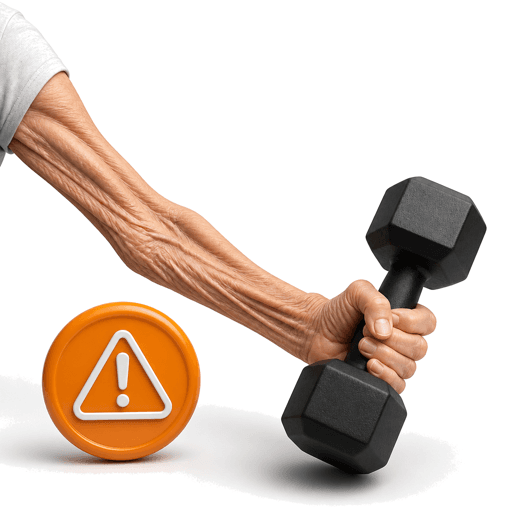
Sarcopenia Risk Calculator
Screen sarcopenia with the validated SARC-F questionnaire plus activity, protein and health factors. Get risk level, resistance training tips, nutrition guidance and clinical testing recommendations.
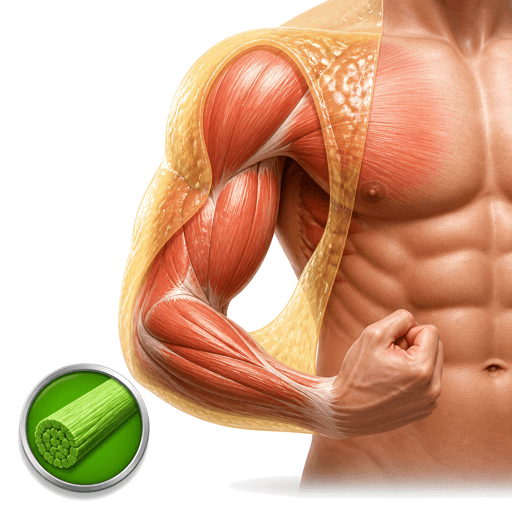
Lean Body Mass (LBM) Calculator
Estimate lean body mass (fat-free mass) from weight, height, and optional body fat %. Boer, James, and Hume formulas, fat mass, LBM %, protein target (1.6–2.2 g/kg), and PDF export.
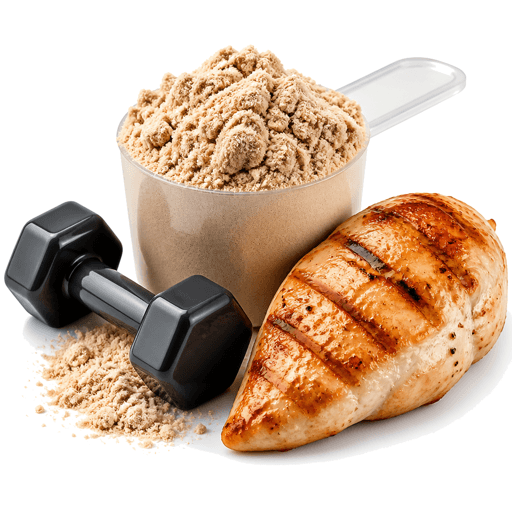
Protein Target Calculator
Calculate daily protein targets in grams from body weight, goal, and training—with GLP-1 muscle-preservation (1.6–2.2 g/kg), adjusted weight above 100 kg, sedentary 0.8–1.2 g/kg, and per-meal splits.
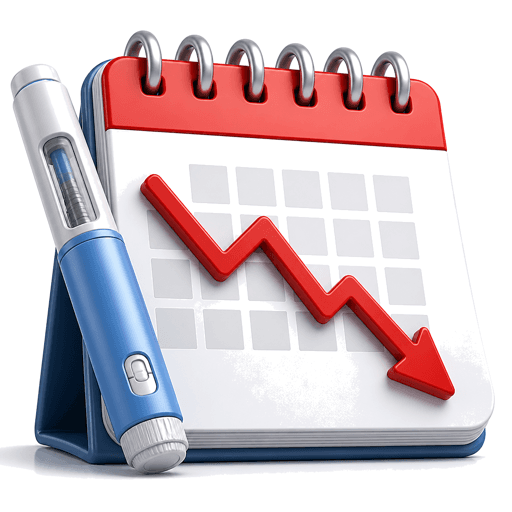
GLP-1 Weight Loss Timeline Calculator
Estimate weeks to goal weight on semaglutide, tirzepatide, or liraglutide using STEP-1, SURMOUNT-1 & SCALE trial curves—with milestones, medication comparison & PDF export.

Calorie Deficit & Weight Loss Calculator
Calculate your daily calorie target for weight loss from body stats, activity, goal weight, and timeline. See TDEE, required deficit, estimated weeks to goal, and safety warnings.
Muscle Gain / Bulking Macro Calculator
Calculate bulking calories and macro split for lean, moderate, or aggressive muscle gain. TDEE-based surplus, protein g/kg, training vs rest day targets, meal distribution, and PDF export.
Weight Loss Goal & Timeline Calculator
Project your weight loss timeline from current and goal weight, body stats, activity, and weekly loss rate. See goal date, duration, daily calorie target, 4-week milestones, and realistic vs aggressive comparison.
Body Recomposition Calculator
Calculate recomp calories and macros to lose fat and build muscle—maintenance or slight deficit, high protein g/kg, training vs rest day targets, projections, and PDF export.
Calculator Categories
Explore more free tools by health topic. Your calculator's category is highlighted below.
Nutrition & Metabolism
31 calculators
Browse categoryBody Composition
16 calculators
Browse categoryFitness & Cardio
13 calculators
Browse categorySleep & Circadian Health
6 calculators
Browse categoryAging & Longevity
6 calculators
Browse categoryHeart & Metabolic Health
23 calculators
Browse categoryMental Wellbeing
4 calculators
Browse categoryWomen's Health
10 calculators
Browse categoryEnvironment & Lifestyle
6 calculators
Browse category